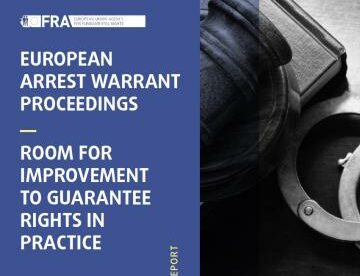
Understanding the European Arrest Warrant: Support and Implications
The European Arrest Warrant (EAW) is a key instrument in the fight against cross-border crime within the European Union. It enables the swift extradition of individuals sought for prosecution or to serve a sentence in another member state. As an international legal tool, the EAW simplifies the extradition process, but it also raises significant legal and human rights concerns. Understanding the support available for individuals impacted by the EAW is crucial. For more detailed insights, visit support on European arrest warrant matters https://pbisaz.org/wp-content/pgs/support-on-european-arrest-warrant-matters-across-eu-jurisdictions.html.

What is the European Arrest Warrant?
Introduced in 2004, the European Arrest Warrant replaced the traditional extradition procedures within the EU, aiming to facilitate faster cooperation between member states. It allows authorities to arrest and transfer fugitives without the lengthy legal battles that often accompany traditional extraditions. The EAW covers a range of offenses, from serious crimes such as murder and drug trafficking to lesser offenses, making it a versatile tool in law enforcement.
How the EAW Works
The process begins when a member state issues a warrant for an individual. This warrant is then recognized by other member states without the need for extradition proceedings. The EAW operates on the principle of mutual recognition, meaning that one country trusts another’s legal decisions. In theory, this promotes efficiency and enhances the speed of justice across borders.
Legal Framework and Implementation
The EAW is governed by a framework decision that binds all EU member states. However, implementation can vary significantly across jurisdictions. Differences in legal systems, definitions of offenses, and procedural rules can affect how the EAW is applied. Consequently, individuals facing an EAW might encounter diverse legal landscapes even within the EU.
Support for Individuals Facing an EAW
When an individual is the subject of a European Arrest Warrant, access to support and legal representation is crucial. Legal aid may be available, depending on the individual’s circumstances and the laws of the issuing country. Organizations, both governmental and non-governmental, can provide resources, advice, and legal representation to those affected by the EAW.
Challenges and Human Rights Concerns
While the EAW is designed to streamline the extradition process, it is not without controversy. Critics argue that the system can lead to abuses of power, particularly concerning judicial independence and fair trial rights. There have been instances where individuals were extradited based on insufficient evidence or for politically motivated reasons. Human rights organizations emphasize the need for safeguards to protect the rights of individuals subject to the EAW.

Key Issues and Recommendations
Several key issues have emerged regarding the EAW, from the treatment of extradited individuals to the adequacy of legal representation. Recommendations include:
- Enhancing transparency in the issuance of European Arrest Warrants.
- Establishing common standards for legal aid across member states.
- Addressing the disparities in legal frameworks to ensure fair treatment of extradited individuals.
- Increasing scrutiny and oversight of EAWs to prevent misuse.
The Role of Legal Professionals
Lawyers play a vital role in representing individuals facing an EAW. They must navigate complex legal environments and understand the nuances of both the issuing and executing country’s laws. Legal professionals are also instrumental in advocating for their clients’ rights and, when necessary, challenging the legality of the EAW itself.
Conclusion
The European Arrest Warrant represents a powerful tool for enhancing cross-border cooperation in law enforcement; however, the implications of its use are profound. It is imperative that individuals facing an EAW are aware of their rights and the support available to them. As the legal landscape continues to evolve, ongoing dialogue about the EAW’s effectiveness and its impact on human rights will be essential in shaping a fair and just system.
For more resources and assistance concerning the European Arrest Warrant, don’t hesitate to reach out to professional legal services specializing in international law.