How To Grow Chickpeas
Additionally, growth and yield are also limited by the micronutrients zinc and boron deficiencies in the soil. The influence of drought stress, sowing date, and mineral nitrogen supply affects the plant's yield and size, with trials showing that Cicer arietinum differed from other plant species in its capacity to assimilate mineral nitrogen supply from the soil during drought stress. Perennial chickpeas are a fundamental source of nutrition in animal feed as they are high-energy and protein sources for livestock. The uptake of macronutrients such as inorganic phosphorus or nitrogen is vital to the plant development of Cicer arietinum, commonly known as the perennial chickpea. Especially in malnourished populations, it can supplement important dietary nutrients because regions where chickpeas are consumed have sometimes been found to have populations lacking micronutrients.
May Protect Against Heart Disease
They are more tolerant of cooler temperatures and moisture stress, making them suitable for regions with less favorable growing conditions. Your homegrown harvest will add a delicious and nutritious touch to your meals. Lastly, don’t be afraid to experiment with different recipes and explore the culinary possibilities of chickpeas. By following the steps outlined in this guide, you’ll be well on your way to a successful chickpea harvest. Utilize organic pest control methods such as companion planting, beneficial insects, or organic insecticides when necessary.
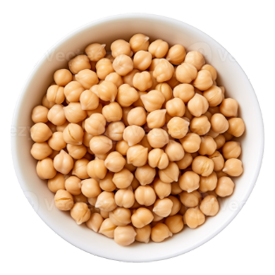
Supports Energy Levels
- I’ve been growing my own for years, and the taste of fresh garbanzo beans, straight from the garden, is a world away from the canned variety.
- The pods should split naturally as they dry, revealing the Chickpeas inside.
- Chickpeas lend themselves to outdoor container-growing on a sunny patio or porch.
- You could even go every other week to help encourage the drying process.
- That said, if you live in a particularly windy area or if your plants become very heavy with pods, they can sometimes flop over.
- Additionally, chickpea seedlings are prone to moisture-related issues when planted too shallowly.
‘Chickpeas do not tolerate wet soils or climates that receive over 30 inches of rain a year,’ says Florence. Add a few inches of aged compost, plus a little sand if your soil is heavy. Garnering interest as a ‘superfood’, the modestly sized chickpea is packed with protein and loaded with zinc, folic acid, potassium, calcium, fiber and oodles of antioxidants. You can buy them dried in a bag like beans and then soak them in water and boil them.

Watering and Irrigation
Give your chickpea plants an advantage by installing a drip line irrigation Grow Healthy Chickpeas system to supply a steady flow of water straight to the plants’ roots. Avoid overwatering newly planted seeds, as this can cause seeds to crack and not grow. Direct the water toward the soil line and keep the plant leaves as dry as possible to prevent fungal issues.
Ideal Storage Conditions
Yes, chickpeas and garbanzo beans are two different names for the same legume. Combined with protein and fiber, this makes chickpeas an excellent food choice for maintaining stable energy levels throughout the day, preventing fatigue, and improving focus. To maximize iron absorption from chickpeas, it’s recommended to pair them with foods rich in Vitamin C, such as bell peppers, citrus fruits, or tomatoes. The combination of fiber, potassium, magnesium, and plant sterols in chickpeas makes them excellent for cardiovascular health. A single cup of cooked chickpeas provides nearly 15 grams of protein, offering a substantial contribution to daily protein needs.